Abacus Olympiad: A Complete Guide for Parents and Schools
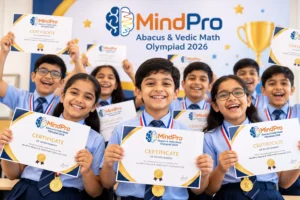
An Abacus Olympiad is a friendly contest where students show their mental maths skills. Children solve sums quickly and accurately, often without a calculator. Many parents and schools now see it as a smart way to build focus and confidence. In this guide, you will learn what the contest is and how abacus works. You will also see the main benefits and some easy preparation tips.

What Is an Abacus Olympiad?
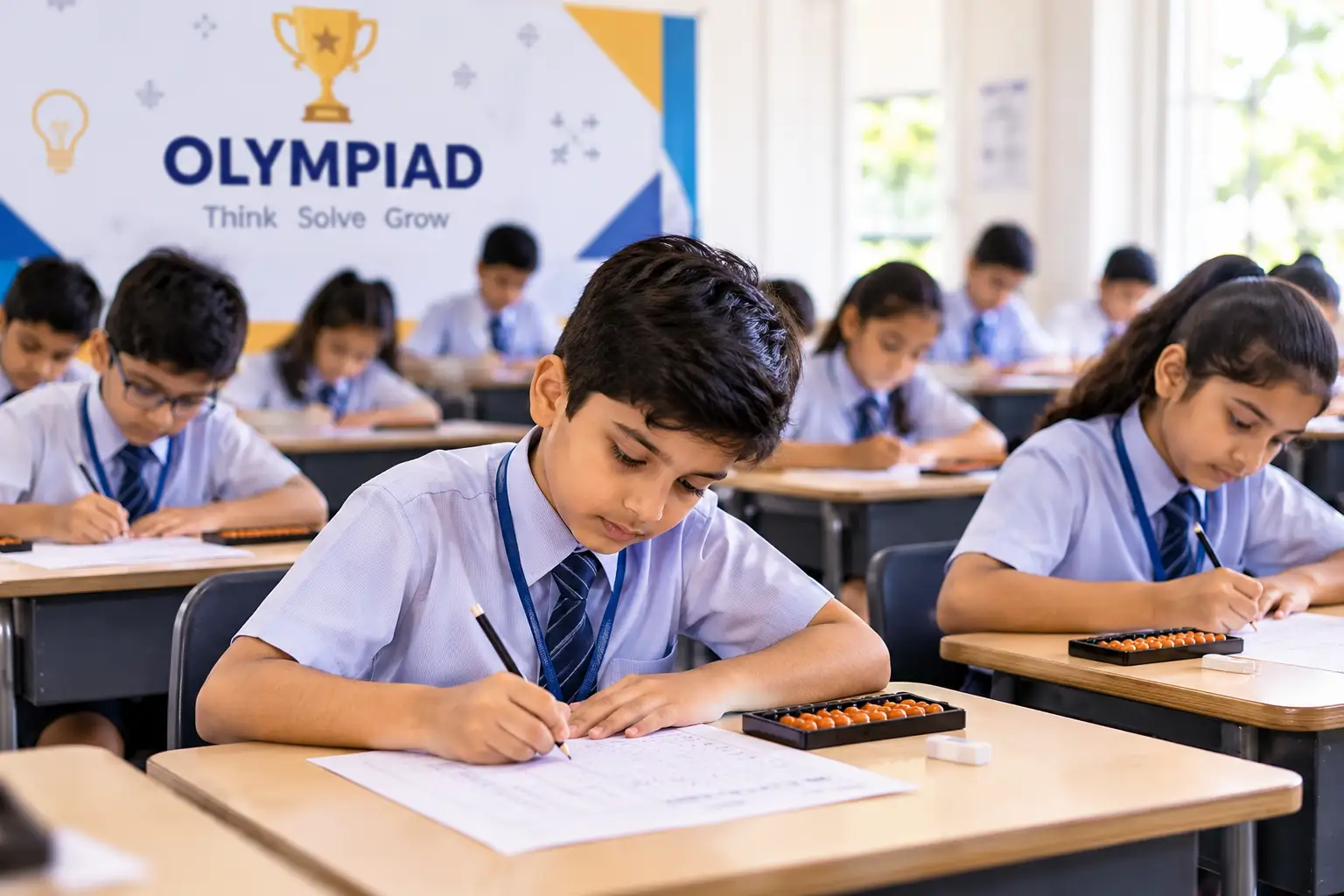
An Abacus Olympiad is a timed test based on abacus. Students solve addition, subtraction, multiplication and division problems. They use a mental picture of the abacus instead of a calculator. As a result, they learn to think fast and stay accurate.
The abacus is an ancient counting tool with beads on rods. Children first learn to move the beads by hand. Then they picture the beads in their mind. This skill is called mental arithmetic, and it sits at the heart of every Olympiad.
Many contests group students by age or grade. Therefore, a young learner competes with peers at a similar level. This keeps the experience fair and fun. For example, a Grade 2 child does not face a Grade 7 paper.
How Abacus Maths Builds Mental Arithmetic
Abacus works in clear stages. First, children learn the value of each bead. Next, they practise simple sums on a real abacus. After that, they put the tool away and picture the beads. Finally, they solve sums in their mind.
This step-by-step path suits young learners. Each stage builds on the last one. Also, regular practice makes the method feel natural. In fact, many children enjoy it like a game.
EduPro Learning teaches this journey through its BrainPro Abacus and Mental Arithmetic programme for Grades 1 to 7. Trained teachers guide students at every level. Consequently, children build strong number sense before they enter any Abacus Olympiad.
Key Benefits of an Abacus Olympiad for Students
A well-prepared child gains far more than a certificate. The contest rewards skills that help in class and in daily life. Here are the main benefits.
- Faster calculation: Regular practice helps children solve sums with less effort.
- Sharper focus: Timed papers teach students to stay calm and concentrate.
- Stronger memory: Picturing beads exercises visual memory every day.
- Greater confidence: Success with numbers can make children braver in other subjects.
- Healthy competition: Students learn to set goals and handle results with maturity.
However, the real gain is not a trophy. It is the habit of steady practice. In addition, children learn that effort leads to progress. Parents may notice this change at home first.
How to Prepare for the Olympiad
Know the Format
Formats can vary by organiser. Therefore, always check the official guidelines first. Most papers are timed, and accuracy matters as much as speed. Practise under similar conditions so the big day feels familiar.
Tips for Parents
- Set a short daily practice time, such as 15 minutes.
- Praise effort, not only marks.
- Use timed mock papers once a week.
- Keep sleep and play time balanced.
Tips for Teachers
Teachers can make practice fun with short class games. For example, a quick flash-card round warms up the class. Also, share progress with parents often. As a result, students feel supported at school and at home.

How Schools Gain from Student Olympiad Participation
School leaders also benefit when students join contests. Principals and vice principals may see stronger engagement in maths classes. Trustees get a clear sign of academic quality. Parents, in turn, trust schools that invest in skill-based learning.
EduPro Learning builds future-ready schools through experiential learning programmes. It has a pan-India presence. Its programmes include Abacus, Vedic Math, Robotics and teacher training.
For older students, VedicPro Vedic Math for Grades 8 to 10 extends the same speed and accuracy. Meanwhile, Robopro adds hands-on robotics to the school day. Together, these programmes give every learner a clear path from early grades to senior classes.
Teacher training matters just as much. Well-trained teachers deliver better classes. Therefore, schools should plan training before they launch any programme.
Frequently Asked Questions
What Is the Right Age to Join an Abacus Olympiad?
Most children begin abacus learning in the early primary years. The EduPro programme covers Grades 1 to 7. Therefore, children can start early and grow level by level.
Does Abacus Training Replace School Maths?
No, it supports it. Abacus builds speed and number sense. School maths covers wider concepts. Together, they make a strong base.
How Can Parents Help at Home?
Parents can set a daily practice routine. Also, they can cheer on small wins. Above all, they should keep practice light and joyful.
How Do I Register for the Olympiad?
Visit the MindPro Olympiad website to see details and register. Follow the steps on the page. Then contact the team with any questions.
Take the Next Step with the Abacus Olympiad
An Abacus Olympiad gives children a joyful way to build speed, focus and confidence. It also helps schools show real learning outcomes. With steady practice and good guidance, every child can shine. Above all, the goal is growth, not just winning.
Ready to begin? Register Your Child Now for MindPro Abacus and Vedic Math Olympiad and give your child a confident start in mental maths.